A radon test costs about as much as two tanks of gas. The result sits on one line of a disclosure form. What happens after that number comes back, though, is where the real transaction gets decided, and this year in Denver, that part looks nothing like it did three years ago.
Colorado's SB23-206 has required radon disclosure in home sales since August 2023. What changed for buyers is the leverage they have to actually act on what the test says, and for anyone buying, selling, or holding rental property in Denver right now, that shift matters more than the number itself.
The Rule Has Been on the Books Since 2023
Under SB23-206, every Colorado residential sales contract must carry a bold-faced warning about radon, and sellers are required to hand over any known test results, mitigation history, and a copy of the state health department's radon brochure before or at contract execution. According to RadonSweep, the seller's property disclosure form has a dedicated radon section. If a seller has never tested, they simply mark "unknown." Colorado does not require testing before listing. It only requires honesty about what the seller already knows.
That distinction matters. A seller who tested five years ago and got a clean reading still has to disclose it, even if the number was comfortably below the action level. A seller who never tested walks into the transaction with less information than the buyer will have within the week, since almost every buyer now orders a test during the inspection period anyway.
The law reaches landlords too, and this is worth flagging directly for anyone renting out property in Denver. The Colorado Division of Real Estate says that, as of January 1, 2026, the lease-voiding remedy no longer applies to leases of one year or less. It's a narrow change, but if you're managing a basement rental or a duplex unit, it's worth confirming your disclosure paperwork reflects current law rather than a form you last updated before the new year.
Denver's Dirt Doesn't Care About Your Neighborhood
Denver sits in the EPA's Zone 1, the highest radon-potential category in the country, because the granite and uranium-bearing rock under the Front Range produces the gas as it breaks down. That's the geological fact everyone agrees on. What's harder to pin down is a single number for how much radon is actually indoors, because different testing datasets land in different places. Statewide averages hover around six to six and a half picocuries per liter in some public health reporting. A 2026 industry report card built from more than 168,000 Colorado tests found 44 percent came in at or above the four picocuries per liter action level, with another 22 percent in the two-to-four range that health officials still flag as worth watching.
The specific average matters less than what every one of these sources agrees on next.
Radon does not follow city limits, zip codes, or property lines. Two houses on the same block, built the same year, can test completely differently.
That's not a reason to panic. It's a reason to stop treating a neighbor's clean test, or a general zone map, as a substitute for testing your own house. Colorado's own health department says the map should never be used in place of an actual test during a real estate transaction, and that guidance holds whether you're in a 1920s bungalow in Park Hill or a newer build in Central Park.
Here's what the numbers actually cost to act on:
| Step | Typical Cost | Timeframe |
|---|---|---|
| DIY short-term test kit | $15 to $60 | 2 to 7 days |
| Professional short-term test | $150 to $250 | 2 to 7 days |
| Standard mitigation system (sub-slab depressurization) | $800 to $2,500 | Usually installed in one day |
| RadonSweep lists the CDPHE Low Income Radon Mitigation Assistance | Up to $1,500 toward installation | Owner-occupied homes, income-qualified |
A mitigation system, once installed, isn't a permanent fix-and-forget item either. The fans that power sub-slab systems typically run 10 to 15 years before failing, and a dead fan means an inactive system even though the pipe is still sitting there looking functional. Most systems have a simple gauge on the pipe that shows whether suction is active. It's a five-second check that a lot of homeowners never do after move-in.
The Market Finally Caught Up With the Law
For most of the past few years, none of this carried much weight at the negotiating table. In a market where homes drew multiple offers within days, a buyer who asked for a radon mitigation credit risked losing the house to someone who didn't ask. The disclosure requirement existed, but the leverage to act on it barely did.
That's not where Denver sits in September 2026. The Colorado Association of REALTORS reported that closed sales across the seven-county Denver metro area fell 14.3 percent year over year in August 2026, even as new listings rose 4.4 percent and the median sale price held essentially flat around $574,400. Nearly 46 percent of August closings involved a price reduction, and 61 percent included some form of concession. The Denver Metro Association of Realtors' own tracking shows median days on market stretching into the high 20s this year, a real shift from the hours-not-days pace of recent seller's markets.
None of that is dramatic by itself. What it means in practice is that a seller whose home has sat for three weeks, and who gets a radon result back at 6 pCi/L during the buyer's inspection period, is now far more likely to offer a $1,200 mitigation credit than to risk losing the buyer and starting over. Three years ago, that same seller had four backup offers waiting. This year, they usually don't.
Colorado's standard contract gives buyers an inspection objection period to raise findings like this, and a professional radon test almost always comes back inside that window. It's a small, specific detail, but it's the detail that turns an abstract disclosure requirement into an actual line item at closing.
The Basement Renovation Blind Spot
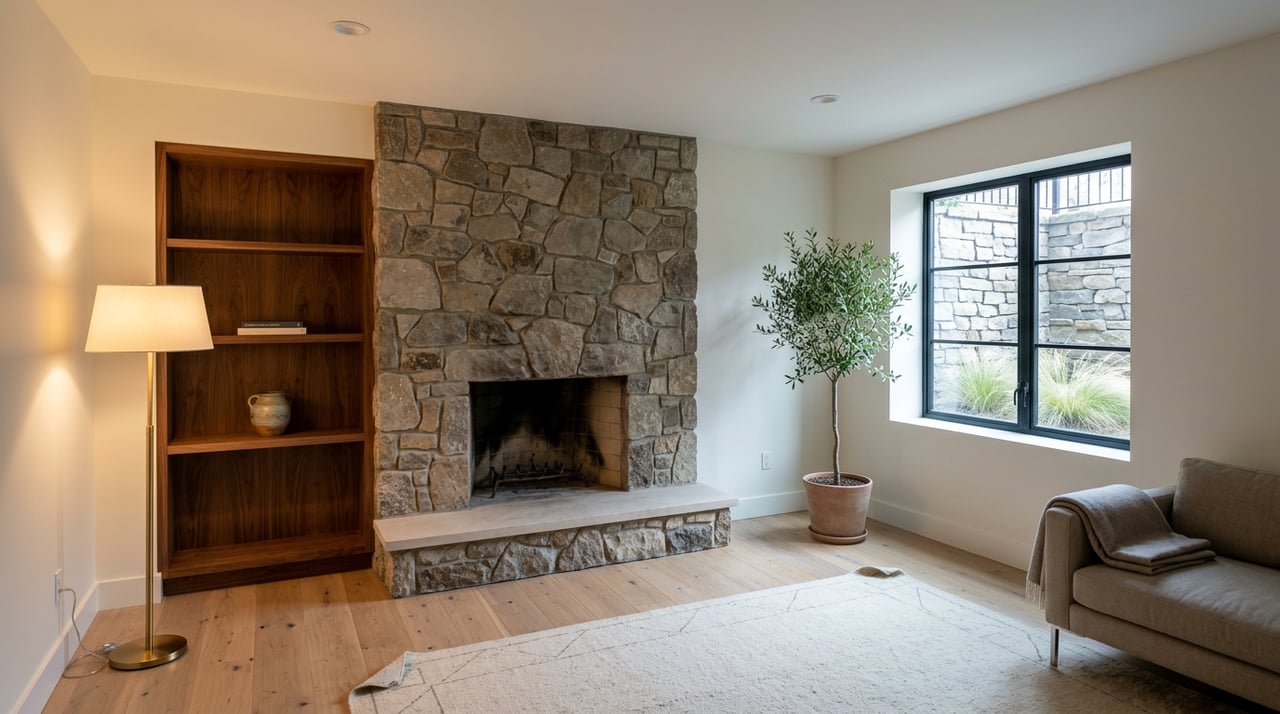
Denver's housing stock leans heavily on basements, from classic bungalows in Washington Park and Park Hill to the ranch-style homes common in Harvey Park and the older housing stock scattered through Berkeley and Sunnyside. Finishing that space into a bedroom, office, or rec room is one of the most common renovation projects in the city, and it's also one of the easiest ways to accidentally worsen a radon problem rather than solve it.
Sealing a basement, adding drywall and flooring, and closing off open crawl areas changes how air pressure moves through a house. Those changes can pull more soil gas indoors rather than less, especially once the space starts getting used the way a finished room actually gets used, with people spending real hours in it instead of walking through to grab a box off a shelf. Contractors who work in Denver's older neighborhoods generally recommend testing before framing even starts, since integrating a mitigation system during construction is cleaner and less expensive than retrofitting one after drywall is already up.
For a seller who finished a basement two or three years ago without testing first, this is the scenario worth taking seriously. The renovation may have added real value and real square footage. It may also mean the first radon number anyone sees is the one that shows up during a buyer's inspection period, well after the walls are already closed.
What This Means Depending on Where You Sit
If you're selling: Testing before you list, rather than marking "unknown" on the disclosure form, puts you in control of the story instead of reacting to it. A clean result becomes something you can point to. An elevated result becomes something you can already have a mitigation quote in hand for, rather than negotiating from a standing start once a buyer's inspector flags it.
If you're buying: Order a professional test inside your inspection objection period regardless of what the seller's disclosure says. If the number comes back elevated, ask for a credit rather than a repair when possible. A credit lets you choose your own licensed contractor and confirm the work yourself, instead of trusting a rushed pre-closing installation.
If you're holding rental property: Confirm your tenant disclosure paperwork reflects the January 2026 change to the short-lease remedy, and if you've never tested a rental unit, especially one with a basement or garden-level bedroom, this is a reasonable year to start.
A Short FAQ
How can an elevated radon reading affect a sale? Buyers routinely request testing and negotiate mitigation as part of the inspection process, and a home with a documented, working mitigation system can be a point in its favor rather than against it.
Do condos and townhomes need to worry about this too? Ground-floor and basement units are in direct contact with soil gas and should be tested the same as a single-family home. Upper-floor units generally test lower, though any unit sharing a slab foundation is worth checking.
If a mitigation system is already installed, do I still need to test? Yes. Confirming the fan is actually running, usually visible on a gauge attached to the pipe, and doing a follow-up test are both worth doing even when a system is already in place, since fans do fail over time.
How long does mitigation actually take once you know you need it? Most standard sub-slab depressurization systems are installed in a single day by a certified contractor, which is part of why it rarely holds up a closing timeline when both sides agree on a credit or repair up front.
Radon isn't a reason to avoid a Denver home, and it never has been. What's different this year is that the test result finally has somewhere to go once it comes back. If you're weighing what a specific radon finding, a basement renovation, or a slower market means for your own sale or purchase, Gather Realty is glad to talk through it with you. Schedule a consultation and bring your questions, not just your listing.
This article is general information, not legal, tax or financial advice. Consult a qualified professional about your situation.