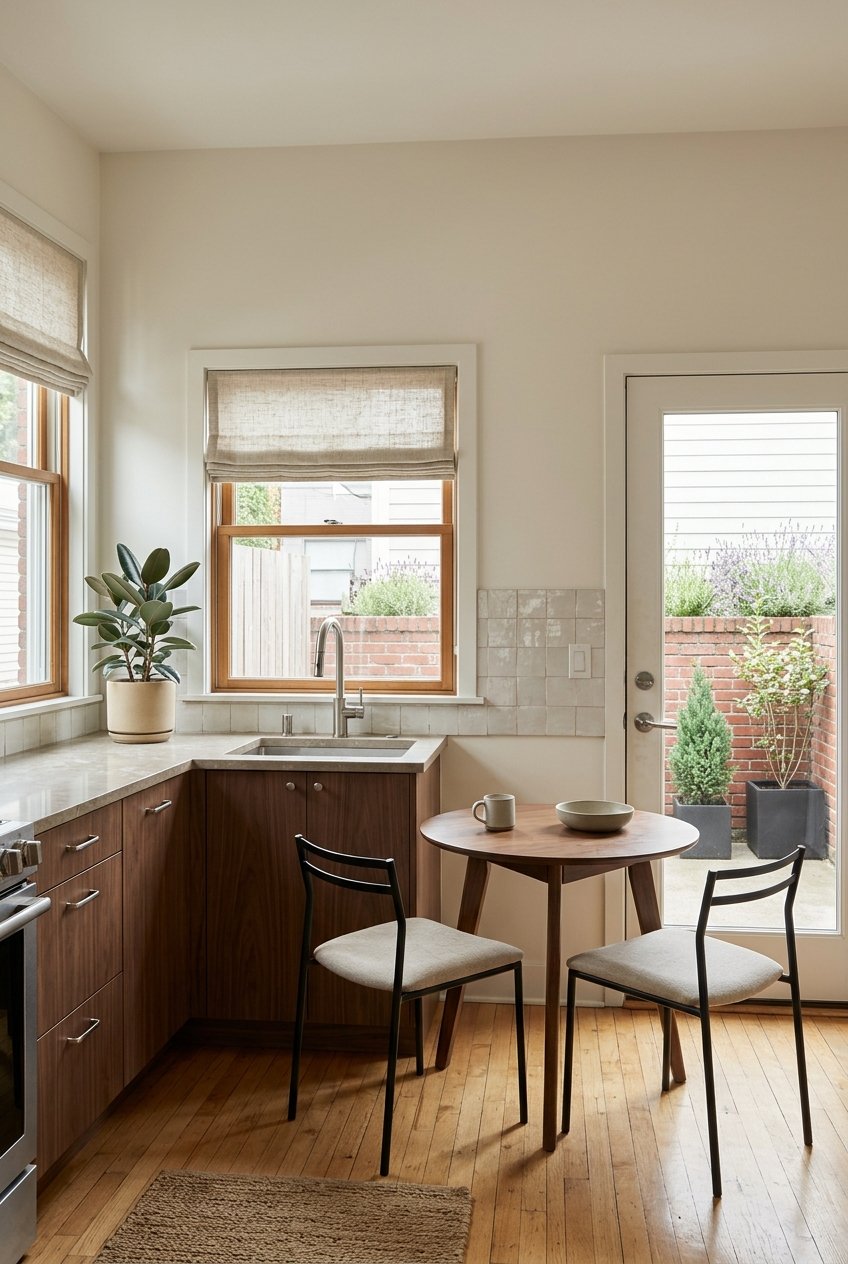
What does life in a Denver starter home actually feel like day to day? If you are dreaming about your first place here, you are probably picturing more than a price point. You are wondering how your mornings, commutes, errands, weekends, and budget might come together in real life. This guide will help you imagine the rhythm of starter-home living in Denver, from housing options to outdoor routines to the tradeoffs between convenience and space. Let’s dive in.
What a Denver starter home can mean
In Denver, a starter home does not always mean a small detached house with a big yard. Depending on your budget and goals, it may look more like a condo, a townhome, or a smaller single-family home.
That range matters because Denver’s housing stock is mixed. According to the city’s 2024 to 2028 Consolidated Plan, single-family detached homes still make up the largest share of housing at 44%, while townhomes and smaller multi-unit options have grown over time. The city has also allowed accessory dwelling units in all residential areas, which adds to the variety of smaller-home options in older neighborhoods.
If you are trying to picture the financial side, the market still asks buyers to be thoughtful. Redfin reported a Denver median sale price of $570,000 in February 2026, with homes selling in about 42 days, according to the same city planning source. That means entry-level buying is still a meaningful commitment, even in a market that has cooled somewhat.
For some buyers, city-backed programs can help make the leap more realistic. Denver highlights homeownership tools such as metroDPA and CHAC down-payment assistance for eligible buyers in its housing planning documents. If you are early in your search, those programs can be part of the conversation.
How weekdays can feel in Denver
One of the biggest lifestyle shifts in a Denver starter home is how much your daily routine may revolve around short local trips. In the right setup, your day can feel less like a long series of drives and more like a collection of nearby stops.
Denver Parks and Recreation says the city maintains more than 100 miles of off-street multi-use trails, along with 30 recreation centers, 32 pools, and more than 21,000 acres of urban and mountain park land. In real life, that can mean a quick bike ride before work, a lap swim after dinner, or a walk that fits into a normal Tuesday instead of needing a full weekend plan.
That everyday access is part of what draws many first-time buyers to Denver. Your starter home may be modest in size, but your usable lifestyle space can feel much bigger when parks, paths, and recreation options are easy to reach.
Living closer to downtown
If you buy in or near central Denver, your routine may feel more neighborhood-based and walkable. Denver’s East Central Area Plan describes areas such as Capitol Hill, North Capitol Hill, Congress Park, Cheesman Park, City Park, and City Park West as some of the most walkable parts of the city, with shops, restaurants, plazas, and historic streetcar stops within short walks of many homes.
That kind of setting can shape your week in small but meaningful ways. You may walk to grab coffee, run a quick errand on foot, or meet friends without planning your whole evening around parking. The area plan also describes sidewalks that stay active through the day and into the evening, which helps explain why some buyers are happy to trade square footage for location.
Green space is part of that picture too. City Park is Denver’s largest urban park at nearly 320 acres, and Cheesman Park is an 80-acre historic park in the heart of Capitol Hill. If you live nearby, a morning walk, dog outing, or picnic can become a normal part of the week rather than a special trip.
Living farther from downtown
If your starter-home search leads you farther from the urban core, your daily rhythm may change. You may trade some walkability for more privacy, a different lot setup, or a home that feels more distinctly like a standalone house.
That tradeoff is not automatically better or worse. It depends on what matters most to you. Some buyers want to be able to walk to daily destinations, while others care more about having more separation, a yard, or a quieter home footprint.
This is where it helps to think beyond the listing photos. Ask yourself whether your ideal week includes frequent neighborhood outings, or whether you mainly want a home that feels like a retreat at the end of the day.
How car-light life can work
Transit can play a bigger role in Denver starter-home life than some buyers expect. The Regional Transportation District provides bus and rail service across the metro area, along with options like Free MetroRide between Union Station and Civic Center Station and FlexRide service that connects some neighborhoods to stations, Park-n-Rides, and other local destinations.
That does not mean every buyer can or should go car-free. But it does mean a car-light routine may be realistic in some parts of the city, especially if your home sits near a rail stop, a strong bus corridor, or downtown-adjacent routes.
For households with young riders, RTD also notes that youth 19 and under ride free on all services. Depending on your routine, that can make transit part of the budget conversation as well as the lifestyle one.
Choosing the right home type
When buyers say they want a starter home, they are often describing a budget stage, not a specific property type. In Denver, the lifestyle difference between a condo, townhome, and detached house is often just as important as the monthly payment.
Denver’s code definitions help make that clearer. The city defines a townhouse as a single-family dwelling unit in a group of three or more attached units that extends from foundation to roof and typically has a yard or public way on at least two sides, while a single-unit dwelling is a detached house, according to the city’s building regulations guidance.
In practical terms, here is how many buyers think about the tradeoffs:
| Home type | Lifestyle feel | Common tradeoff |
|---|---|---|
| Condo | Often easier access to walkable, denser areas | Less private outdoor space |
| Townhome | Balance of attached-home convenience and single-home feel | Shared walls, but often more separation than a condo |
| Small detached house | More privacy and yard potential | May trade some location convenience for space |
The right fit depends on how you want your home to support your everyday life. If your goal is to spend more time out in the neighborhood, a condo or townhome may feel right. If privacy and outdoor space matter more, a small detached house may be worth the trade.
Weekends from a Denver starter home
Denver weekend life can stretch in a lot of directions, which is part of the appeal. One weekend may stay close to home, while the next may turn into a day trip.
Within the metro area, Cherry Creek State Park offers boating, fishing, and water-skiing. Red Rocks Park and Amphitheatre offers free self-guided tours year-round from one hour before sunrise to one hour after sunset, which makes it part of the local landscape even if you never go to a show.
For bigger outdoor plans, Colorado tourism points to Clear Creek County for hiking, biking, fishing, rafting, skiing, and snowboarding. And Rocky Mountain National Park remains a classic option, as long as you plan around timed-entry reservations during designated hours and seasonal road closures.
That range is a big part of the Denver lifestyle equation. A starter home here may not give you every feature on your wish list, but it can place you in a city where a regular weekend can include both urban amenities and major outdoor access.
Weather shapes everyday habits
Denver weather is part of the routine, not just background information. According to NOAA climate normals for Denver International Airport, the mean high is 44.6°F in January and 89.9°F in July. The annual precipitation total is 14.48 inches, and seasonal normal snowfall is 47.0 inches.
For you as a buyer, that usually means planning for real winter conditions, strong sun, and a lot of shoulder-season outdoor time. Your home setup may matter more than you expect, especially if you are weighing covered parking, storage, entry layout, or how quickly you can get outside for a walk when the weather turns nice.
This is another reason starter-home decisions are about more than square footage. The way a home handles boots, coats, bikes, seasonal gear, and sunny afternoons can shape how comfortable daily life feels.
Picture your real life, not just your preapproval
The most helpful Denver starter-home question is often not, “What can I buy?” It is, “What kind of life do I want this home to support?” That question can lead you to a very different answer.
You may realize that being near trails, transit, and neighborhood businesses matters more than having extra square footage. Or you may decide that a little more distance from the center is worth it if it gives you a detached home, a yard, or a quieter setting. Neither choice is more correct. The goal is to match the home to your actual routines and priorities.
That is where a thoughtful search can make a big difference. If you want help weighing condo, townhome, and detached-home options in Denver, Molly Hollis can help you think through the tradeoffs with clarity, local insight, and no pressure.
FAQs
What does a Denver starter home usually look like?
- In Denver, a starter home may be a condo, townhome, or smaller detached house, depending on your budget, location goals, and preferred lifestyle.
How expensive is a starter home in Denver?
- Denver had a median sale price of $570,000 in February 2026, according to the city-cited Redfin data, so many first-time buyers look closely at smaller homes and assistance options.
Can you live car-light in a Denver starter home?
- In some parts of Denver, yes. RTD bus and rail service, Free MetroRide, and neighborhood connections can make a car-light routine more realistic, especially near strong transit corridors.
What is daily life like in central Denver neighborhoods?
- In areas covered by the East Central Area Plan, daily life can feel walkable and neighborhood-oriented, with nearby shops, restaurants, plazas, and parks shaping everyday routines.
How does Denver weather affect starter-home living?
- Denver weather often means planning for winter snow, hot summer days, and strong sun, so storage, entry layout, parking, and easy outdoor access can all matter in daily life.