If you plan to sell in Denver, it is not enough to simply put a sign in the yard and hope buyers fall in love. With more homes on the market and buyers taking a more careful look at condition, pricing, and presentation, the homes that stand out are usually the ones that feel well prepared from day one. The good news is that you do not need to do everything at once. You just need a smart plan that focuses on the right improvements in the right order. Let’s dive in.
Denver sellers need a sharper strategy
Denver’s market has become more measured than the ultra-competitive pandemic years. January 2026 data showed a median closed price of $569,000, median Days in MLS of 56, and more than 8,200 active listings across the metro, with about 18 weeks of supply. DMAR also reported an average close-price-to-list-price ratio of 97.94%.
For you as a seller, that means buyers often have more choices and more time to compare homes. They are less likely to overlook deferred maintenance, dated finishes, or a home that feels unprepared. If you want strong interest, your home needs to look cared for, priced thoughtfully, and ready for market.
Seasonality still matters in Denver, but timing your prep matters too. DMAR notes that warm winter weather can pull spring demand forward, which is one more reason to start the work before you think you need to. A rushed prep plan often costs more and accomplishes less.
Start with issues buyers will notice later
Before you spend money on decor or trendy updates, focus on the items most likely to affect buyer confidence. A pre-sale inspection is not required, but it can help you identify concerns with the structure, exterior, roof, plumbing, electrical system, HVAC, insulation, and fireplaces before a buyer does.
That step can be especially useful in Colorado because the Seller’s Property Disclosure is based on your current actual knowledge. If something changes, it must be disclosed promptly. Known adverse material facts that are not disclosed can create legal risk, so early information helps you make better decisions.
Colorado’s disclosure form specifically asks about several issues that deserve your attention. These include:
- Structural problems
- Moisture or water issues
- Roof leaks or roof damage
- Hail, fire, or flood damage
- Cracks or settling
- Exterior wall or window issues
If your home has any of these concerns, address them before you start thinking about cosmetic extras. In many cases, buyers can live with paint colors they do not love. They are much less comfortable with signs of water intrusion or a roof problem.
Put radon on your prep list
Radon is not a side note in the Denver area. The Colorado Department of Public Health and Environment says elevated radon levels are found in one out of every two Colorado homes. That makes it one of the most important Denver-specific items to think about early.
Colorado disclosure rules require sellers to provide known radon test results, records, mitigation details, and information about any installed mitigation system. If your home already has a mitigation system, CDPHE recommends retesting every two years to confirm it is working properly.
If you have never tested, or if your last test was years ago, this is worth discussing before your listing timeline gets tight. It is much easier to gather records and make a plan in advance than to scramble once a buyer asks questions.
Choose cosmetic updates with real payoff
Once major condition and disclosure items are under control, turn to updates that improve first impressions. You do not need a full remodel to make your Denver home more appealing. In many cases, simple visual improvements do a lot of the heavy lifting.
According to NAR’s 2025 Remodeling Impact Report, the projects agents most often recommend include painting the entire home, painting a single interior room, and replacing or repairing roofing where needed. Kitchen upgrades and bathroom renovations also remain in demand, but that does not mean every seller should take on a large renovation.
A better question is this: what will make your home feel cleaner, brighter, and more move-in ready? Often, the best options are:
- Fresh interior paint in worn or bold spaces
- Minor roof repair if condition is visibly affecting buyer confidence
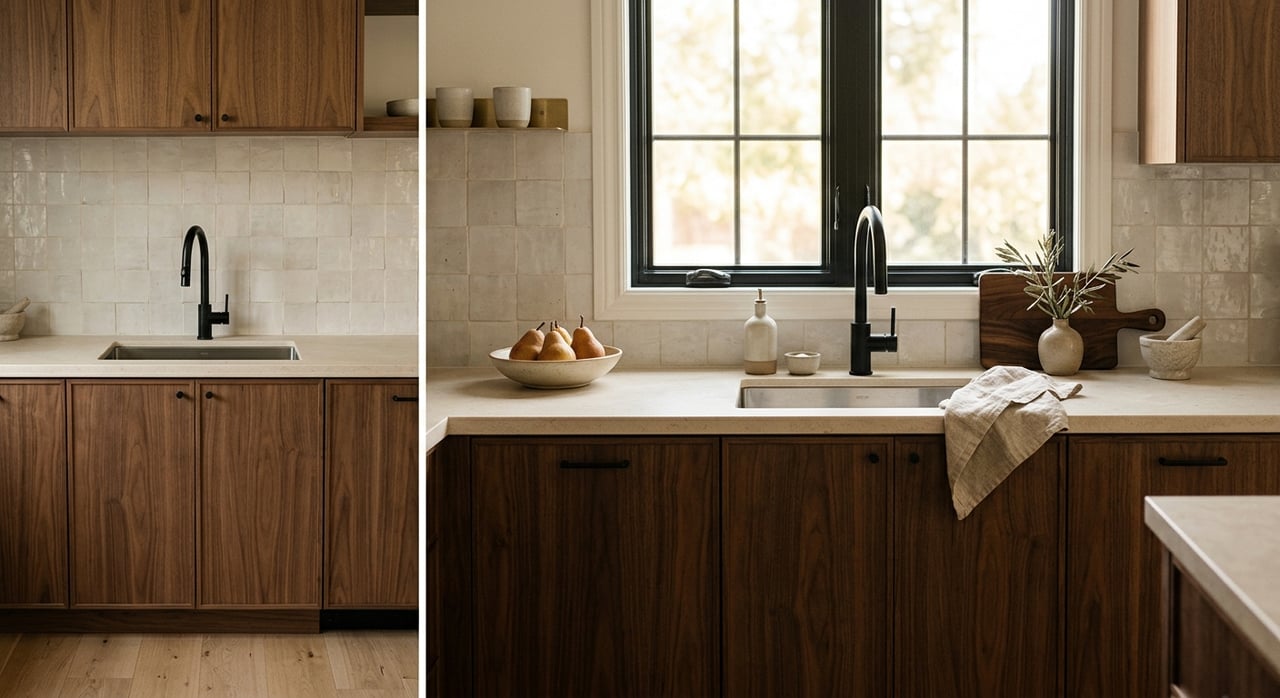
- Simple kitchen improvements rather than a full gut job
- Bathroom touch-ups that reduce wear and dated appearance
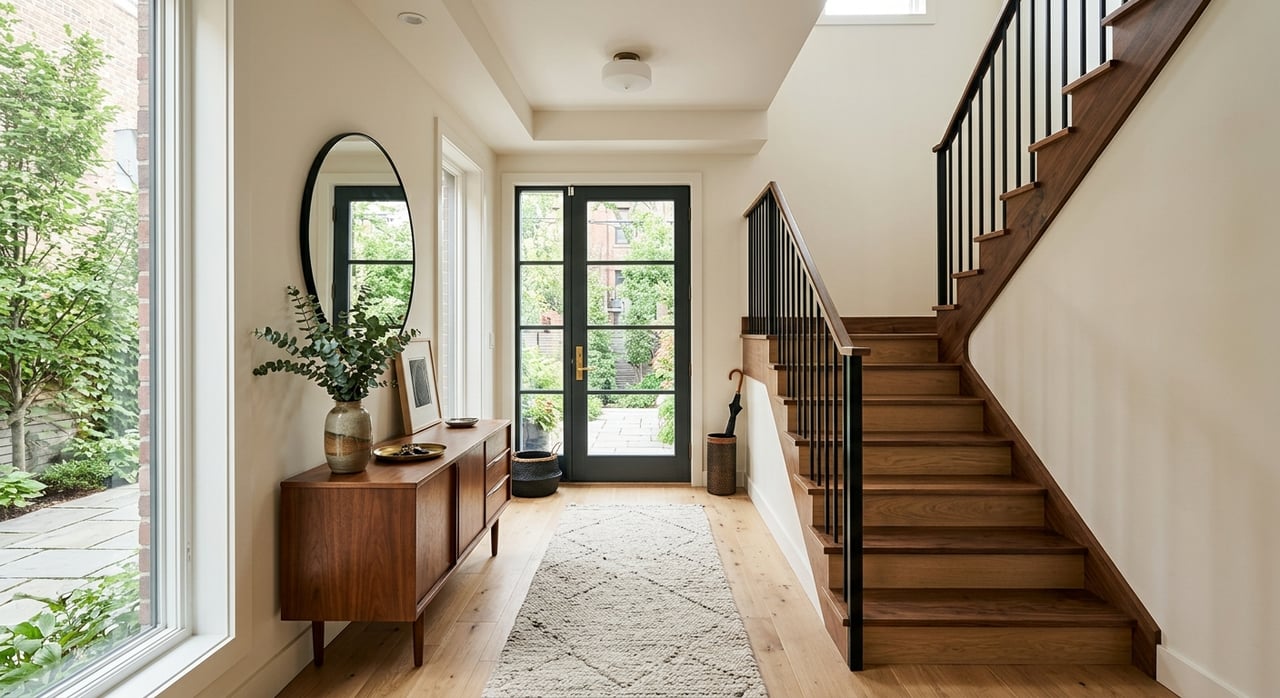
- Updated or refreshed front entry details
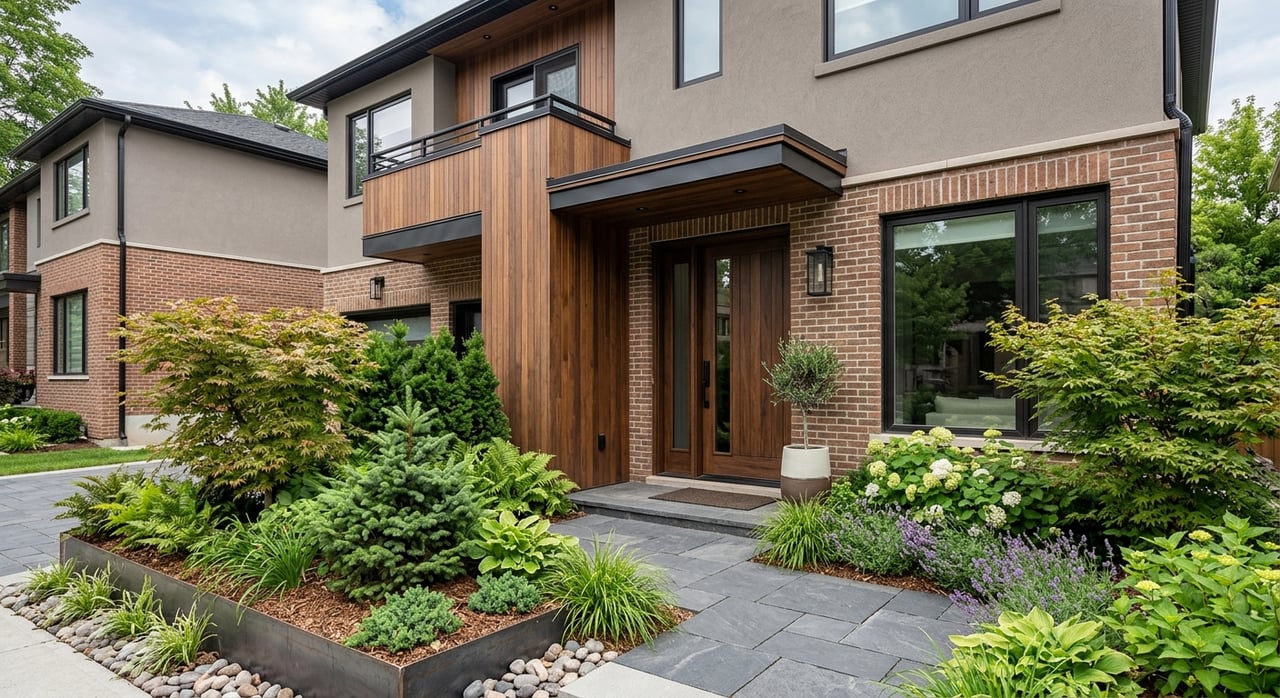
The front door deserves special attention because it shapes the first impression before buyers step inside. NAR reports that a new steel front door can recover the full cost at resale, while a new fiberglass front door can recover about 80% of cost. Even if you do not replace the door, cleaning, painting, and sharpening the entry experience can have a meaningful impact.
Focus on the basics buyers see immediately
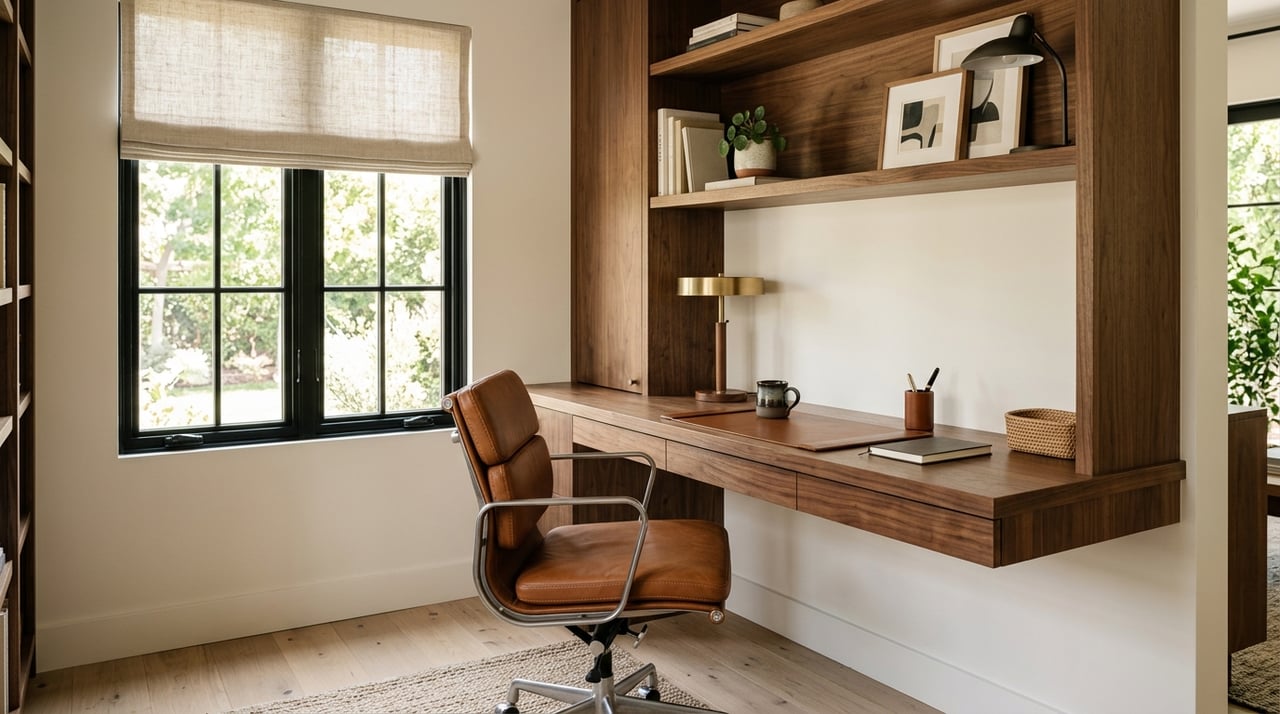
Some of the most effective prep steps are also the least glamorous. Clean windows, carpets, lighting fixtures, and walls can make a home feel brighter and better maintained in person and in photos. Decluttering also helps buyers focus on the space itself instead of your belongings.
Curb appeal matters too. Landscaping, the front entrance, and small paint improvements can help your home feel inviting before a buyer even opens the door. These are usually manageable projects with a strong visual return.
If you are deciding where to start, this simple checklist is a good baseline:
- Deep clean the whole home
- Remove excess furniture and personal items
- Clean windows and light fixtures
- Touch up walls, trim, and high-wear areas
- Improve the front entry and landscaping
- Make sure every room has a clear purpose
These steps may sound basic, but they are often what separate a listing that feels polished from one that feels unfinished.
Stage for clarity, not perfection
Staging can be one of the smartest ways to help your home stand out without taking on major construction. In NAR’s 2025 Profile of Home Staging, 83% of buyers’ agents said staging made it easier for buyers to visualize the property as a future home. Another 29% of sellers’ agents said staging led to a 1% to 10% increase in the dollar value offered.
The median spend on a professional staging service was $1,500. The rooms staged most often were the living room, primary bedroom, and dining room, which tells you where staging tends to matter most.
That does not mean every home needs full-service staging. Sometimes light staging, furniture editing, and better room flow can do enough. The goal is not to make your home look fancy. The goal is to help buyers understand the space quickly and positively.
Save photos until the home is ready
Listing media matters, especially in a market where buyers are comparing many homes online before they ever schedule a showing. NAR found that photos ranked highest in importance, followed by traditional staging, videos, and virtual tours.
That is why professional photography should happen after the home has been decluttered, cleaned, and lightly staged. If you photograph too early, you may end up with listing images that undersell the work you planned to do anyway.
A well-prepared home often looks calmer, brighter, and more spacious on camera. That first online impression can shape whether a buyer decides your home is worth seeing in person.
Know which Denver projects may need permits
If your prep plan includes more than paint and cleanup, pay attention to Denver’s permitting rules. The city’s residential permitting guidance indicates that some cosmetic work can be done without permit review, including painting, tiling, cabinet replacement, refinishing wood floors, and replacing like-for-like plumbing and electrical fixtures.
Other work may require a permit path or more review time. Structural work cannot be handled through quick permits, and many roofing, electrical, plumbing, and mechanical projects may require permitting. That matters if your prep timeline is short.
A practical way to think about your to-do list is to divide it into two groups:
- Quick cosmetic work: paint, flooring refinishing, light fixture swaps, cabinet replacement, and similar updates
- Potential permit work: structural repairs, major roofing, electrical, plumbing, and mechanical projects
If your home needs more than surface-level prep, build in time for contractor scheduling and permit lead time. It is much easier to plan for that early than to delay your listing at the last minute.
A smart order for Denver home prep
When sellers feel overwhelmed, it is usually because every project seems urgent at once. A better approach is to follow a sequence that protects your budget and keeps your effort focused.
Here is a practical order for preparing your Denver home to stand out:
1. Inspect and document early
Get clear on the home’s current condition. Gather records for repairs, radon testing, and any prior work that may matter during disclosure.
2. Handle major concerns first
Address safety issues and any concerns involving water, roof condition, structural items, or radon. These are the problems most likely to disrupt a deal later.
3. Complete cosmetic improvements
Once the important issues are under control, move to paint, front-entry refreshes, and other high-visibility updates. Keep your spending tied to resale impact, not personal taste.
4. Declutter and deep clean
This is where the home starts to feel market-ready. Removing extra items helps every room feel more open and easier to understand.
5. Stage and photograph before launch
Finish with presentation. Once the home is clean, simplified, and visually balanced, it is ready for listing photos and showings.
Why thoughtful prep matters
In a market like Denver, preparation is part of pricing strategy. Buyers often compare your home to several others in the same range, and condition influences how they interpret value. Even when your home has great bones or a strong location, poor presentation can make buyers assume bigger problems are hiding underneath.
Thoughtful prep helps you control that first impression. It can reduce avoidable objections, support stronger photos, and help buyers feel more confident when they walk through the door. Most of all, it helps your home tell a clear story from the start.
If you are thinking about selling and want a calm, realistic plan for what to fix, what to skip, and how to time it all, Molly Hollis can help you sort through the options and prepare with confidence.
FAQs
What should Denver sellers fix before listing a home?
- Denver sellers should prioritize structural issues, moisture or water problems, roof concerns, cracks or settling, exterior wall or window issues, and any known radon information before focusing on cosmetic updates.
Does a Denver home need a pre-sale inspection before listing?
- A pre-sale inspection is not required, but it can help you identify issues with the structure, roof, plumbing, electrical, HVAC, insulation, exterior, and fireplaces before buyers discover them.
How important is radon when selling a home in Denver?
- Radon is very important in Denver because elevated levels are found in one out of every two Colorado homes, and sellers must provide known radon test results, mitigation details, and related records.
What cosmetic updates help a Denver home stand out most?
- Fresh paint, front-entry improvements, deep cleaning, decluttering, light kitchen or bathroom updates, and curb appeal work tend to offer strong visual payoff without requiring a full remodel.
Should you stage a home before listing it in Denver?
- Staging can be very helpful because it makes it easier for buyers to visualize the property, and many sellers’ agents report that staging can improve the dollar value offered.
Do Denver home improvement projects require permits before selling?
- Some cosmetic projects like painting, tiling, cabinet replacement, refinishing wood floors, and replacing like-for-like fixtures may not require permit review, but structural, roofing, plumbing, electrical, and mechanical work may require a permit path.
When should Denver sellers take listing photos?
- Listing photos should be taken after the home has been decluttered, deep cleaned, and staged or lightly styled so the images show the home at its best.