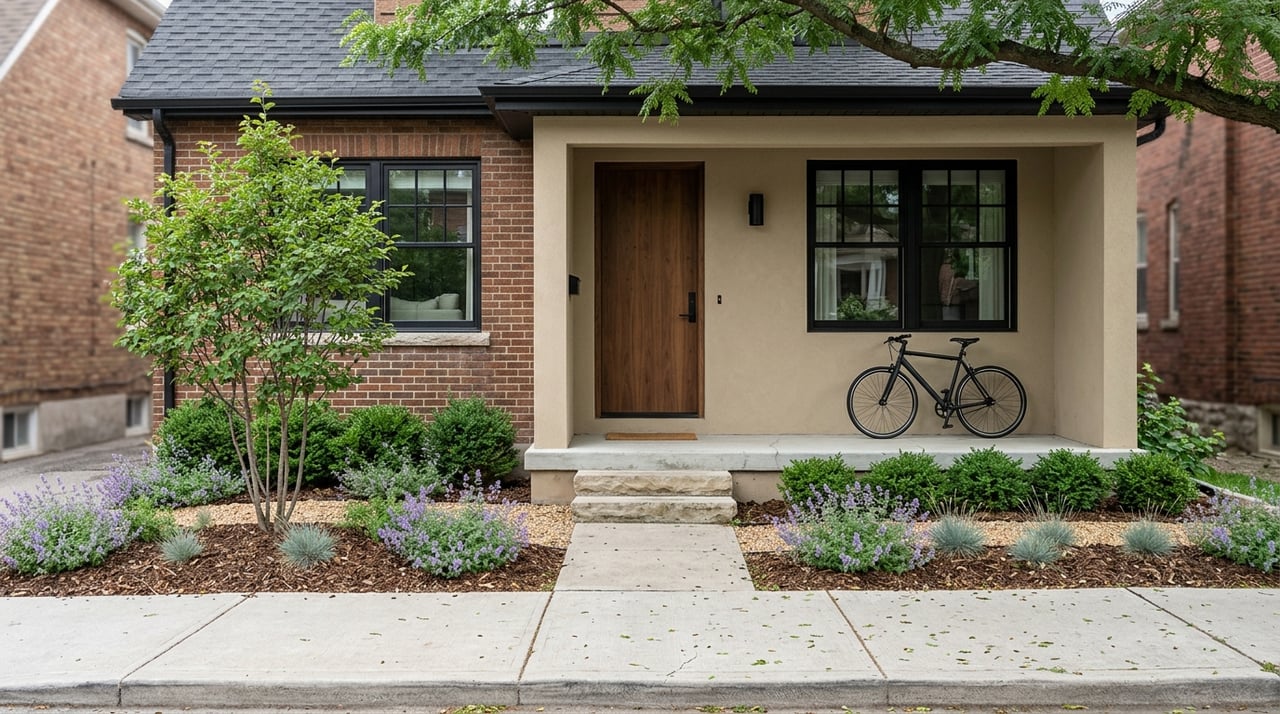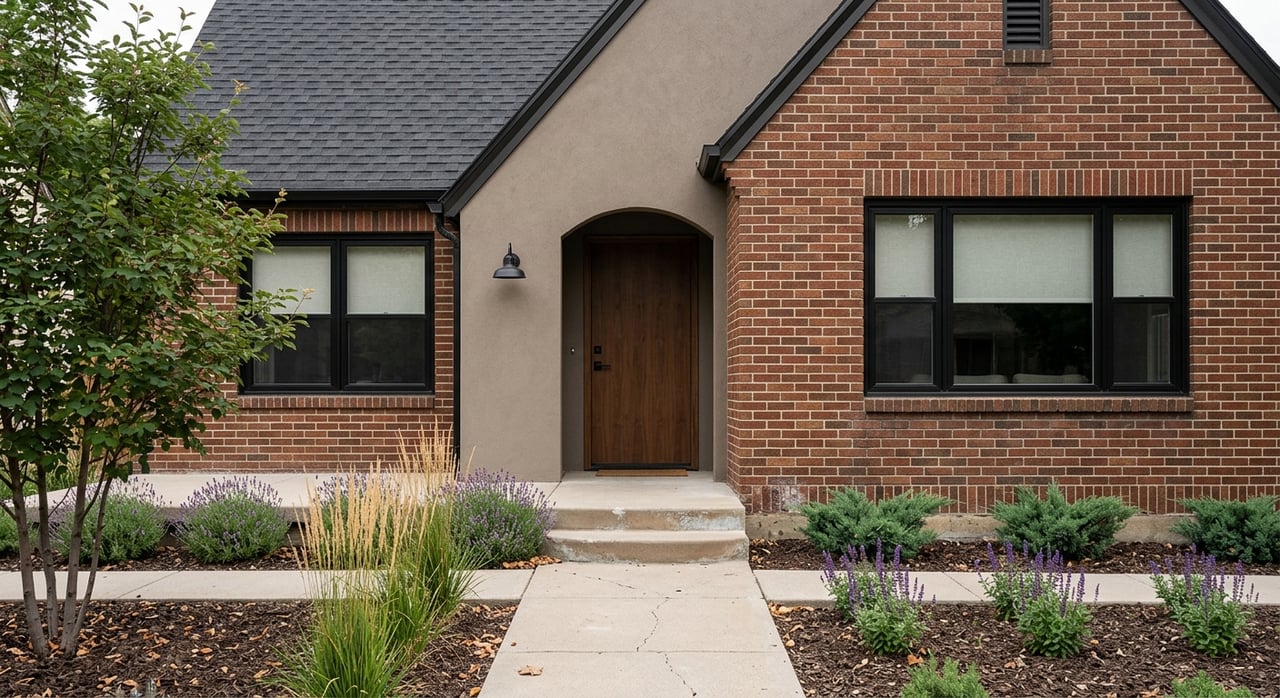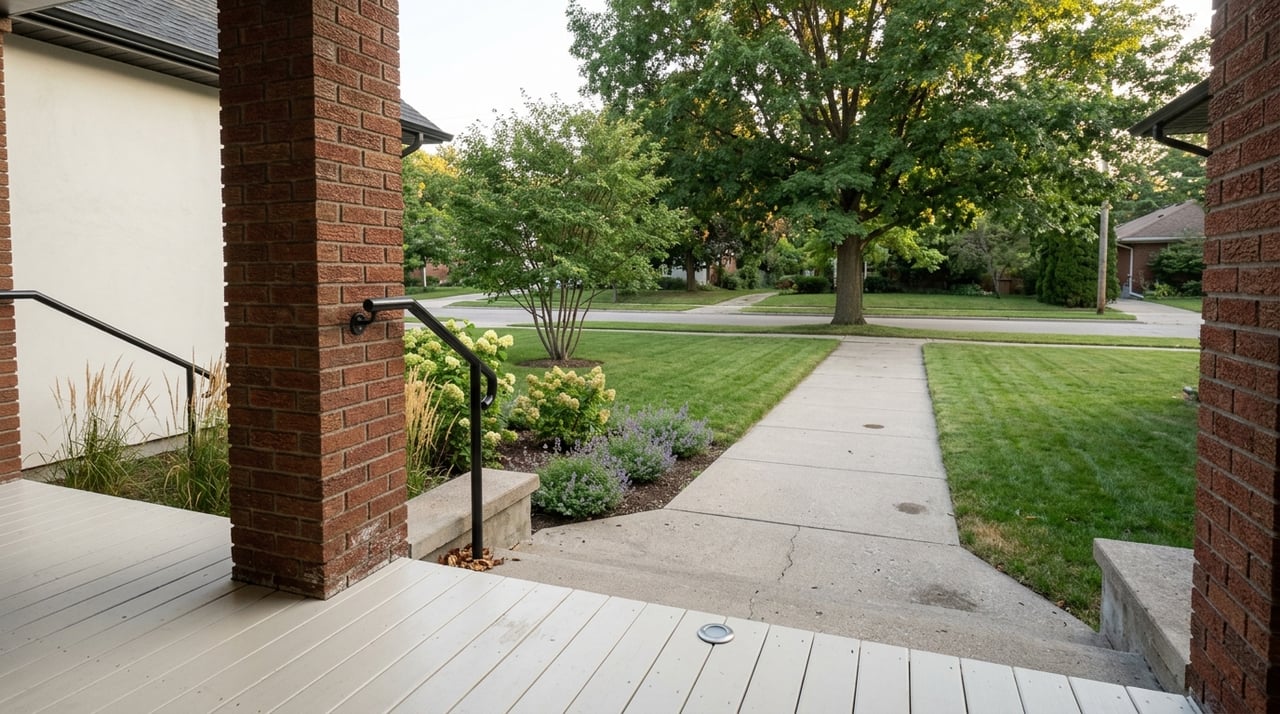
When you picture feeling at home in Denver, you probably are not thinking only about square footage or countertops. You are likely thinking about how your days would actually work, from the morning commute to the nearest park, trail, coffee shop, or errand stop. That is why the right neighborhood can matter just as much as the right house. If you are trying to figure out where in Denver you will feel most settled, this guide will help you look at the details that shape daily life. Let’s dive in.
Home in Denver Means More Than a House
Denver’s own planning framework takes a broad view of what makes a neighborhood work. The city describes a vision for complete neighborhoods, with safe, convenient, and affordable access to basic services, a range of amenities, and transportation options that support walking, rolling, biking, and transit.
That matters because two homes with similar features can feel very different depending on what surrounds them. In Denver, a neighborhood’s history, culture, character, access to green space, services, and transportation all play a role in whether a place feels comfortable for your real life.
Just as important, Denver does not treat all neighborhoods as copies of each other. The city’s planning documents specifically note that complete neighborhoods should reflect distinct history, culture, and character. So if one area feels lively and another feels quiet, that difference is part of what makes neighborhood fit such a personal decision.
Daily Life Often Decides the Fit
When buyers talk about a neighborhood feeling like home, they are often describing something practical. They mean the place feels easy to live in, easy to navigate, and aligned with the routines that matter most to them.
A Denver neighborhood may feel right when your weekly life works without constant friction. That could mean a simple commute, nearby places to recharge outdoors, or basic errands that do not require a long drive every time.
This is one reason neighborhood fit is so personal. The best area for you depends less on hype and more on how you actually spend your time.
Parks and Trails Shape the Week
For many Denver households, outdoor access is part of what makes a place feel grounded. Denver Parks and Recreation says the city has 30 recreation centers, nearly 20,000 acres of urban and mountain parkland, and more than 90 miles of off-street, multi-use trails within city limits.
Those features are not just nice extras. They often shape the rhythm of your week, whether that means walking the dog, heading out with kids, getting in a workout, or meeting up with friends in a nearby green space.
Denver also emphasizes access to parks, gathering places, and recreation across neighborhoods. If spending time outside matters to you, it makes sense to notice not just whether a park is nearby, but whether it feels easy to use as part of normal life.
What to Notice About Outdoor Access
When you visit a neighborhood, look beyond the map pin. Pay attention to whether parks, trails, and recreation spaces seem connected to the area in a practical way.
Ask yourself:
- Can you reach a park or trail without much planning?
- Does the green space look actively used?
- Is there a recreation center that fits your routine?
- Would you realistically use these spaces on a weekday, not just in theory?
Commute and Mobility Matter More Than You Think
A neighborhood can look great on paper and still feel exhausting if getting around is difficult. Denver’s mean travel time to work was 24.9 minutes in the 2020 to 2024 ACS estimates, and how that time feels can depend a lot on your route and transportation options.
RTD’s network includes more than 100 local, regional, and SkyRide bus routes, 10 rail lines, 113 miles of rail service, and 96 Park-n-Rides. Denver also continues to focus on safer travel through its Vision Zero efforts, with attention to people walking, rolling, biking, driving, and taking transit.
That means a good Denver commute is not one-size-fits-all. For you, the right setup might mean rail access, a bike-friendly route, easy car access to major corridors, or simply having more than one way to get where you need to go.
Questions to Ask About Mobility
Before you fall in love with a home, test how the neighborhood works at the times you would actually travel. A route that looks simple at noon may feel very different on a weekday morning.
Consider these questions:
- Does the commute work during real rush-hour conditions?
- Are there backup options if traffic or service changes affect your main route?
- Could you walk, bike, or take transit for some trips if needed?
- Does the street layout feel manageable for your daily habits?
Nearby Services Help a Neighborhood Feel Settled
One of the clearest themes in Denver’s planning documents is access. Complete neighborhoods are expected to include access to services, amenities, and employment opportunities.
In real life, that often translates to the places you use all the time. Grocery stops, casual dining, coffee, errands, and other daily needs can influence whether a neighborhood feels convenient or disconnected.
You do not need every amenity on your block for a place to feel like home. But it often helps when your most-used destinations are close enough to fit naturally into the flow of your day.
Think About Your Real Routine
This part is simple but easy to overlook. Try matching the neighborhood to your actual habits instead of an idealized version of them.
Ask yourself:
- Can you handle basic errands without leaving the area every time?
- Are the places you use most easy to reach?
- Does the retail and service mix match how you actually live?
- Would this location still feel practical a year from now?
Community Rhythm Can Make a Big Difference
A neighborhood is more than roads, homes, and businesses. It also has a rhythm, and in Denver, you can often see that rhythm through public events, recreation classes, volunteer opportunities, neighborhood groups, and public meetings.
The city points residents toward events, arts programming, recreation center classes, city meetings, and neighborhood resources. Engage Denver also highlights volunteer opportunities such as park cleanups and other projects, while Denver Police district pages use Commander’s Meetings to share information about neighborhood issues and events.
Registered Neighborhood Organizations add another layer. Denver defines these as groups of residents and property owners who meet regularly and receive notice of zoning changes, landmark applications, liquor and cabaret licenses, and other local actions.
This does not mean every buyer needs to join a neighborhood group. It simply means signs of regular community participation can tell you a lot about whether an area feels connected and informed.
Denver Gives You Tools to Compare Areas
If you are still early in your search, Denver offers useful ways to get oriented. The city provides an online map of its 78 statistical neighborhoods, along with a Neighborhood Data Dashboard that lets you compare areas using data on housing, employment, affordability, income, and more.
These tools can help you move beyond vague impressions. They also remind you that neighborhood boundaries can be more layered than they first appear.
For example, Registered Neighborhood Organization boundaries may overlap and do not always match statistical neighborhood boundaries. So when someone says a neighborhood has a certain feel, it is worth asking what exact area they mean.
A Simple Denver Neighborhood Checklist
If you want a practical way to judge whether a neighborhood feels like home, focus on your daily experience. You are not looking for a perfect area. You are looking for the place where your routine feels most natural.
Signs a Neighborhood May Feel Like Home
- Nearby green space that feels easy to use
- A useful mix of everyday services and neighborhood amenities
- More than one transportation option
- Visible community activity such as events, classes, or neighborhood groups
- A street environment that feels comfortable when you would actually be out in it
Signals to Look at More Closely
- A commute that depends on one congested road or one transit line
- Amenities that are technically close but awkward to reach
- Little sign of community meetings, events, or neighborhood participation
- A retail area that does not fit your day-to-day habits
The Best Neighborhood Fit Is Personal
In Denver, what feels like home often comes down to the overlap of four things: daily ease, outdoor access, commute practicality, and community pulse. The right answer is not always the trendiest area or the one someone else recommends first.
It is the neighborhood where your life feels more manageable and more like your own. That is why a thoughtful home search should leave room for questions, tradeoffs, and honest reflection.
If you want help thinking through which Denver neighborhood fits your lifestyle, budget, and next chapter, Molly Hollis offers the kind of calm, practical guidance that helps you make a decision with confidence.
FAQs
What does a complete neighborhood mean in Denver?
- In Denver’s planning framework, a complete neighborhood includes safe, convenient, affordable access to services, amenities, and transportation options such as walking, biking, transit, and other ways of getting around.
How many neighborhoods does Denver have?
- Denver has 78 statistical neighborhoods, and the city provides tools to compare them using neighborhood-level data.
Why do parks and trails matter when choosing a Denver neighborhood?
- Parks, recreation centers, and trails often shape daily routines, and Denver has 30 recreation centers, nearly 20,000 acres of parkland, and more than 90 miles of off-street trails within city limits.
How can you compare Denver neighborhoods before buying?
- You can use Denver’s Neighborhood Data Dashboard, review the city’s map of statistical neighborhoods, visit areas at different times of day, and pay attention to commute patterns, outdoor access, and nearby services.
What are Registered Neighborhood Organizations in Denver?
- Registered Neighborhood Organizations are groups of residents and property owners who meet regularly and receive notice about certain local actions, which can help you understand how an area stays informed and involved.
What should you look for during a Denver neighborhood visit?
- Focus on whether the area supports your real routine, including errands, commute, access to parks or trails, transportation options, and signs of community activity.