What matters most in your next Denver move: more space, an easier commute, or a lifestyle that puts daily needs close to home? In Denver, that choice is rarely simple, because the features that make one neighborhood feel right often come with a tradeoff somewhere else. If you are trying to sort through what fits your life and budget, this guide will help you weigh the big factors clearly and confidently. Let’s dive in.
Why Denver neighborhood choice is a tradeoff
Denver is planned around the idea that neighborhoods will function differently. Through Blueprint Denver, the city focuses on creating complete neighborhoods and complete transportation networks, with the goal of helping residents access daily needs like housing, transit, open space, and civic amenities without always relying on a car.
That matters because even small location changes can shape your daily routine. Denver’s population estimate was 729,019 as of July 1, 2024, and the city’s mean travel time to work is 24.9 minutes. In practical terms, where you live can affect how much time you spend driving, how often you can walk to errands, and how much home you can afford.
Space often comes with location tradeoffs
If space is your top priority, you may find yourself comparing older close-in neighborhoods with areas that have a more suburban built form. Denver’s planning framework describes suburban contexts as lower density, with no alleys and more open space in the form of larger parks. That often lines up with what many buyers want when they picture extra square footage, garages, storage, and yard space.
Closer-in urban neighborhoods can offer convenience and character, but the homes may sit on smaller lots or have less parking. In many cases, getting more land or a larger detached home means moving farther from the city core or giving up some walkability and transit access.
Older homes can offer charm and limits
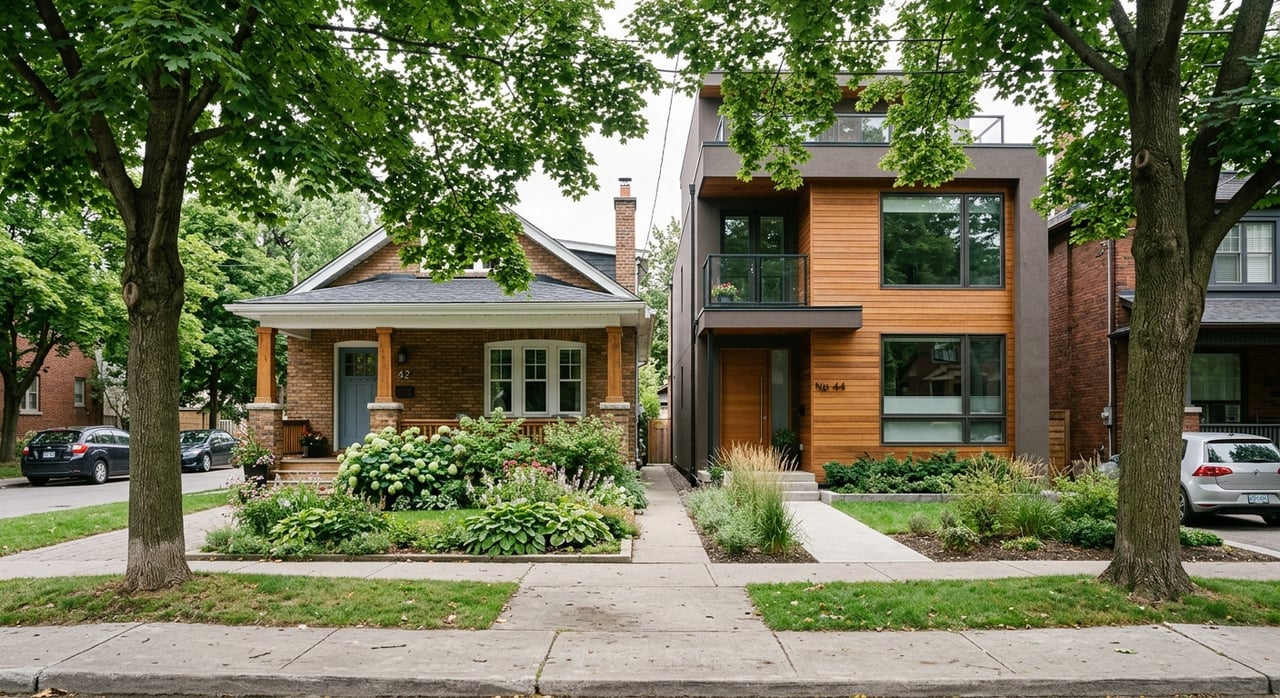
Denver’s zoning code is designed to balance conservation and development, and the city’s landmark preservation program protects structures and districts with historical, architectural, cultural, or geographical significance. For you as a buyer, that can mean an older home with strong architectural character and a neighborhood feel that is hard to replicate.
It can also mean more rules if you want to change the exterior or rebuild later. If you love historic homes, it is smart to weigh not just the look and feel of the property, but also how much flexibility you want over time.
Newer options may solve practical needs
If your focus is layout, storage, or lower-maintenance living, newer construction or attached housing may check more boxes. Denver has also expanded housing choice by allowing accessory dwelling units in all residential areas. That can create more flexibility for multigenerational living, a smaller secondary unit, or future rental potential within residential neighborhoods.
This does not make one option better than another. It simply means your definition of “space” may go beyond square footage alone and include flexibility, storage, parking, and how the property can work for you over time.
Commute shapes everyday life
For many buyers, commute is the tradeoff that becomes real after move-in. A home can feel perfect on paper, but if getting to work, school, appointments, or activities adds stress to your week, the location may not support your everyday life the way you hoped.
Denver offers more than one way to get around. RTD provides bus, light rail, and commuter rail service, and its rail network includes 12 lines serving 78 stations. Downtown also has the Free MetroRide between Union Station and Civic Center Station, which adds another layer of convenience in the core.
Rail access can reduce car dependence
Denver’s transit planning is built around the idea of a more transit-friendly city. The city says transit-oriented development should be attractive, walkable, and sustainable, with places where shopping, dining, jobs, parks, and schools can be reached by foot, bicycle, and transit.
If you want to rely less on your car, neighborhoods near rail or major transit corridors may make a lot of sense. The tradeoff is that these locations often come with smaller homes, less land, and sometimes tighter parking.
More space may mean more driving
On the other hand, neighborhoods farther from downtown or major transit access often offer more room. You may get a larger home, a garage, or a bigger yard, but your routine may become more car-dependent.
That does not automatically make the choice wrong. It just means you should be honest about how much driving feels manageable, and whether a little more house is worth a little less convenience.
Lifestyle is about daily convenience
Lifestyle is often the hardest factor to define, but it may be the one you feel most after closing. Denver describes a complete neighborhood as one with access to groceries, health care, schools or day care, transit, open space, active transportation, and civic amenities. That gives you a useful way to think about neighborhood fit.
Instead of asking which neighborhood is best in general, it helps to ask how easily you can live your normal week there. Can you handle errands without a major trip? Are parks or open space easy to reach? Do you want a home base that feels low maintenance, or are you happy trading convenience for more room?
Walkable living can mean smaller homes
If you want restaurants, parks, and daily errands closer at hand, you may lean toward a more central or mixed-use area. That can support a lower-maintenance lifestyle and make it easier to enjoy what Denver offers without planning every outing around a car.
The tradeoff is often size and cost structure. You may find yourself looking more closely at condos or townhomes, which can offer location advantages but may come with HOA dues and smaller interiors.
Budget is more than the purchase price
Current market conditions matter when you compare neighborhood options. In the Denver metro area, DMAR reported a median close price of $590,000 in March 2026, with days in the MLS down to 16 and active inventory at 9,846. That tells you buyers are still making decisions in a market where pricing and pace matter.
Housing type also changes the math. DMAR reported 1.86 months of inventory for single-family homes and 4.17 months of inventory for attached homes in March 2026. The same report noted that rising HOA fees and insurance costs continue to weigh on attached-home demand, so if you are comparing a condo or townhome to a detached home, be sure to look at monthly carrying cost, not just the list price.
A simple way to decide what fits
When buyers feel stuck, it usually helps to stop looking for the perfect neighborhood and start looking for the right tradeoff. Denver offers a wide mix of home types, neighborhood patterns, and transportation options, which means your best fit depends on what you want your daily life to feel like.
A simple framework can help you compare options more clearly.
If you are commute-first
You may care most about rail access, downtown proximity, or an easier trip to major job centers. In that case, you may end up giving up some square footage, accepting attached housing, or living with tighter parking.
If you are space-first
You may want a yard, garage, storage, and a quieter street pattern. That usually means you should expect a longer drive and less spontaneous access to downtown amenities.
If you are lifestyle-first
You may value walkability, parks, restaurants, and a lower-maintenance home. That can mean accepting HOA dues, smaller interiors, or a more competitive search in attached housing.
Questions to ask before choosing
If you are comparing Denver neighborhoods, these questions can keep your search grounded:
- How long is the commute to the places you go most often?
- Which home type fits your life right now: detached home, townhome, or condo?
- What will the monthly carrying cost look like after HOA fees, insurance, and maintenance?
- How easy will daily errands and routines feel in this location?
- Will historic district or zoning rules affect your future plans for the property?
The goal is not to win on every category. The goal is to choose the set of tradeoffs that supports your real life, your budget, and the way you want home to feel.
If you are sorting through Denver neighborhood options and want a thoughtful second opinion, working with someone who can help you compare tradeoffs clearly can make the process feel a lot less overwhelming. Molly Hollis and Gather Realty take a practical, low-pressure approach that helps you think through space, commute, lifestyle, and timing so you can make a decision that truly fits.
FAQs
How should a Denver buyer compare space, commute, and lifestyle?
- Start with your daily routine, then compare commute time, home type, monthly cost, and access to the places and services you use most often.
What does Denver mean by a complete neighborhood?
- Denver uses the term to describe a place where residents can access daily needs such as housing, transit, open space, and civic amenities without always depending on a car.
Are attached homes in Denver easier to find than detached homes?
- In March 2026, DMAR reported 4.17 months of inventory for attached homes and 1.86 months for single-family homes, which suggests attached homes were the softer segment at that time.
What should a Denver buyer know about historic homes?
- Historic homes can offer strong architectural character, but exterior changes and some rebuild decisions may be guided by landmark or historic-district rules.
How much does transit matter when choosing a Denver neighborhood?
- Transit can make a meaningful difference in daily life, especially since Denver has a rail network with 12 lines and 78 stations, plus downtown service like the Free MetroRide.
Why is monthly cost important when comparing Denver condos and houses?
- Your true cost may include more than the mortgage payment, especially because DMAR noted rising HOA fees and insurance costs continue to affect attached-home demand.