Trying to decide between a fixer-upper and a move-in ready home in Denver? It sounds simple at first, but this choice can shape your budget, timeline, stress level, and even the type of property you target. If you want to buy smart without getting blindsided by renovation costs or competition, it helps to understand how Denver’s market and permit rules affect the decision. Let’s dive in.
Why this choice matters in Denver
Denver buyers are still shopping in a market that rewards preparation. In April 2026, the Denver Metro market reported a median close price of $605,000, 11,539 active listings, a 99.44% close-price-to-list-price ratio, and a median of 14 days in MLS, according to DMAR. That means inventory has improved, but well-priced homes can still move quickly.
The market also is not oversupplied. In March 2026, single-family homes had 1.86 months of inventory, which sits well below DMAR’s balanced market range of 4 to 6 months. If you are hoping to find a bargain because there are more listings, it is wise to stay realistic.
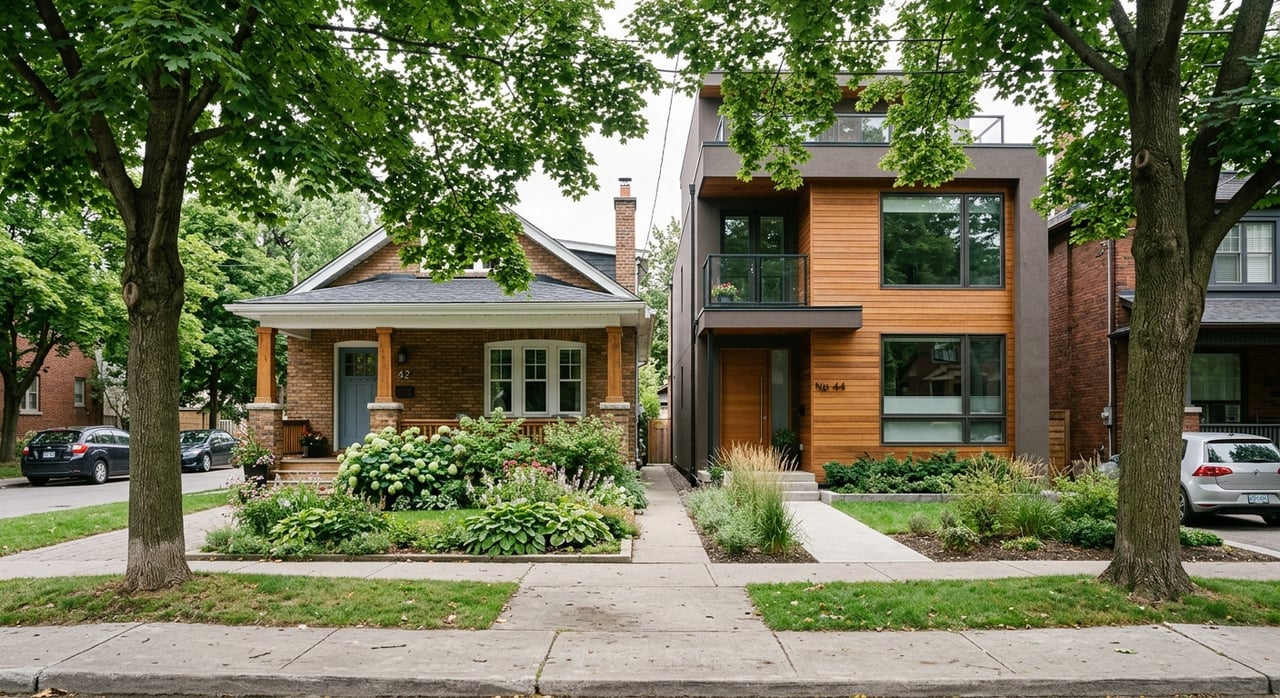
In Denver, this decision is not just about condition. It is often about property type too. The city’s housing stock includes single-family detached homes, attached homes, smaller multi-unit buildings, and a large share of multifamily properties, so your renovation plans may depend as much on what you buy as on how dated it looks.
What fixer-upper really means
A true fixer-upper usually needs more than new paint and updated light fixtures. It may need systems work, structural repairs, or major layout changes. That is a very different project from buying a home that simply feels cosmetically dated.
This distinction matters because the price discount on a fixer-upper often comes with more moving parts. You may need permits, licensed contractors, a longer timeline, and a healthy cash cushion for surprises. In other words, lower upfront cost does not always mean lower total cost.
For buyers who want financing help, HUD says FHA 203(k) loans can combine the purchase and renovation into one mortgage. The Limited 203(k) is for non-structural work up to $75,000, while the Standard 203(k) is for larger rehab projects with a minimum repair cost of $5,000 and a required consultant. HUD also states that permits must be obtained before work begins.
Signs a home is more than lightly dated
You are likely looking at a true fixer-upper if the home needs:
- Major electrical, plumbing, or HVAC work
- Structural repair
- Significant layout changes
- Extensive kitchen or bathroom replacement
- Exterior work that may trigger additional review
If several of those items show up at once, you are probably not in cosmetic-update territory anymore.
What lightly dated means in practice
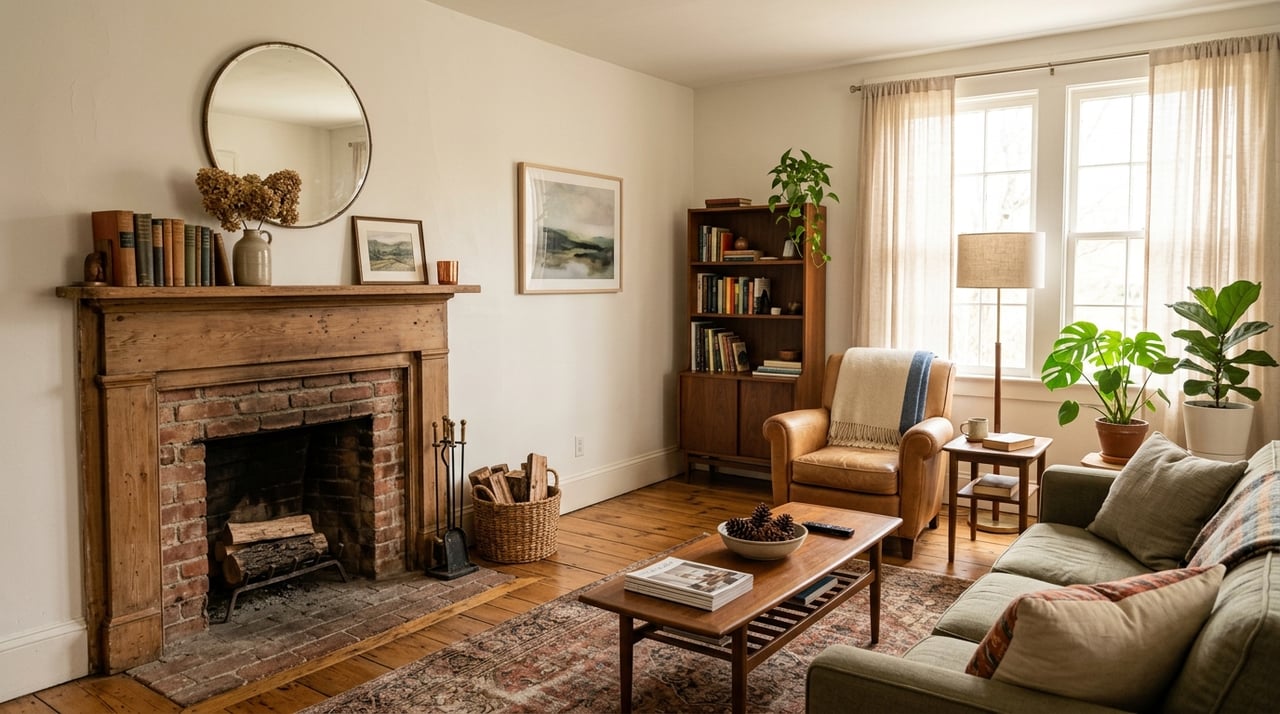
A lightly dated home often gives you the middle ground many Denver buyers want. The layout works, the systems are functional, and the home is livable now, but the finishes feel older. Think older cabinets, worn flooring, dated countertops, or fixtures that are not your style.
That middle-ground option can be especially attractive in Denver because many cosmetic projects do not require a building permit. City guidance says painting, flooring, cabinets, and like-for-like fixture replacements often fall outside permit requirements, while more substantive construction or repair work usually does not.
For many buyers, this is where the best balance lives. You can move in, spread out updates over time, and improve the home gradually without taking on a full renovation schedule right away.
What move-in ready really buys you
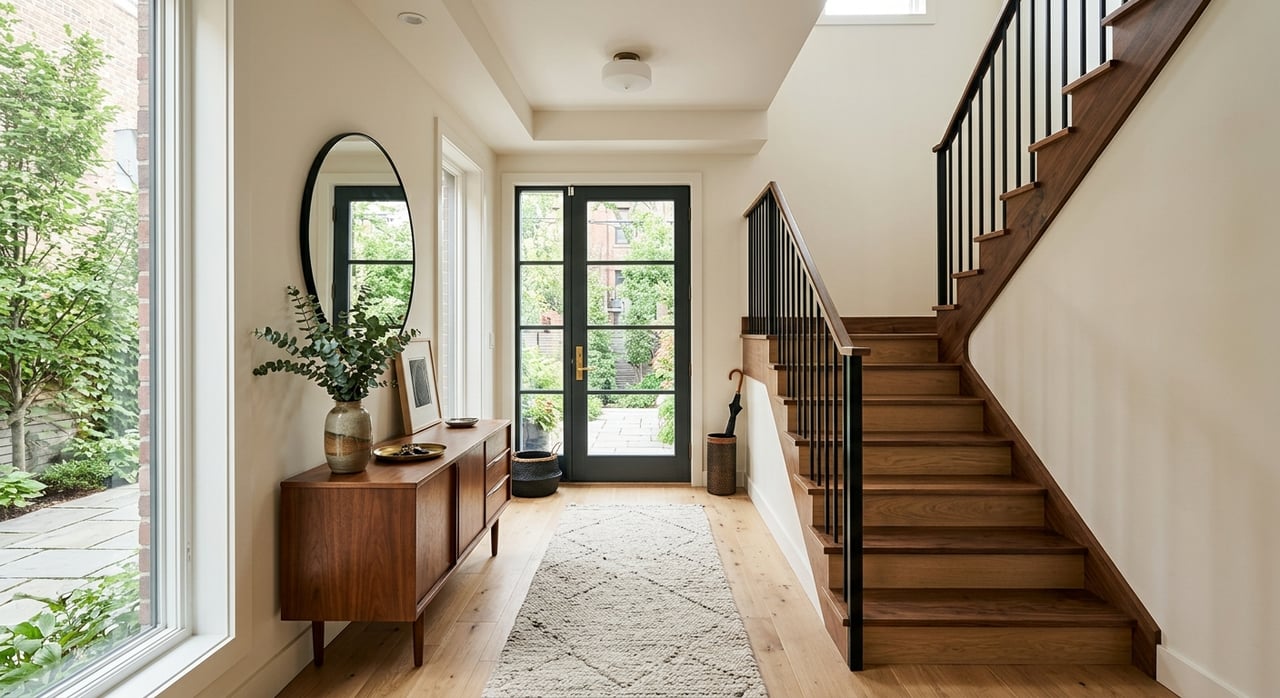
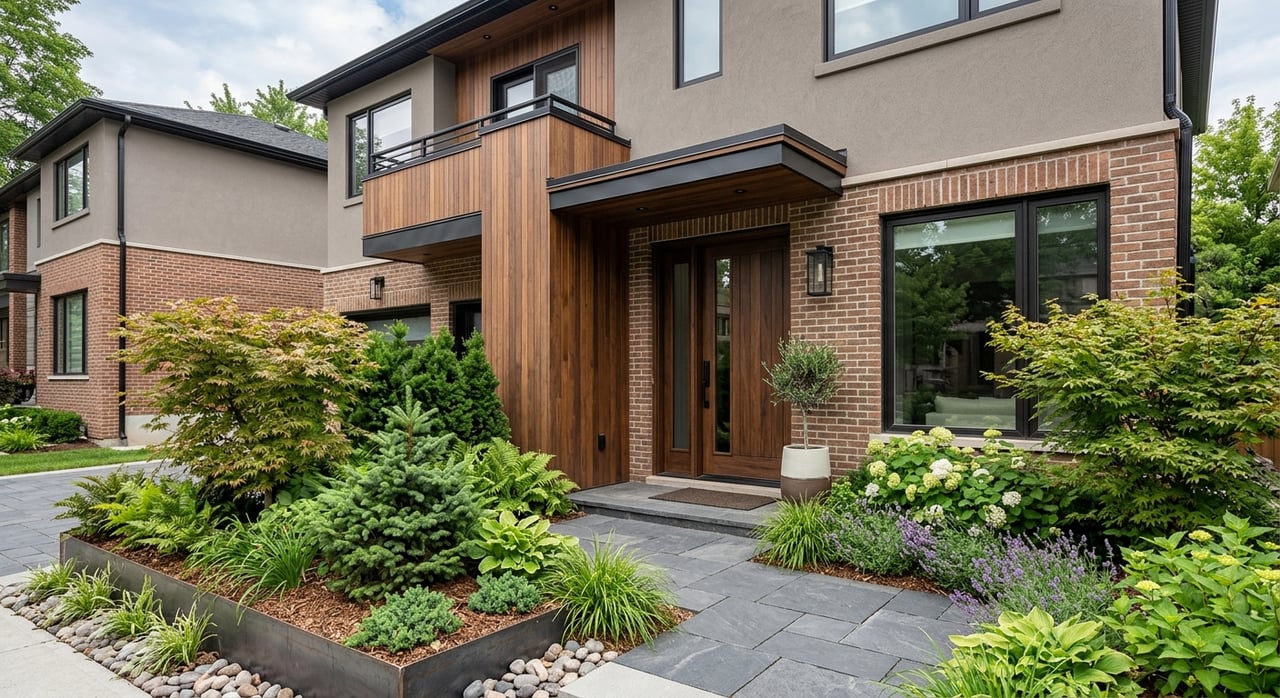
A move-in ready home usually costs more upfront, but you are often paying for certainty. You avoid much of the guesswork around permits, contractor schedules, material delays, and renovation overruns. That can be worth a lot if your move date is firm or your budget has limited room for surprises.
In Denver’s current market, certainty has real value. DMAR notes that the market is less seasonal than it was before the pandemic boom, and well-priced homes still move quickly even as inventory has improved. If you need a home that works from day one, paying more for move-in ready may be the more practical decision.
Move-in ready can also make sense if you are already juggling enough. A job change, lease ending, household transition, or simultaneous sale and purchase can leave very little energy for managing a renovation.
Denver permit rules can change the equation
This is one of the biggest reasons Denver buyers should look beyond the listing photos. The local permit process can make one renovation feel manageable and another feel much more complex.
Denver limits homeowner permits to single-family homes. Homeowners cannot obtain a permit for work in ADUs, townhomes, condos, or duplexes, even if they live in the property. If you are considering a condo or townhome that needs substantial work, you may need to rely more heavily on licensed contractors from the start.
There are also occupancy rules. The homeowner must be the legal owner and resident, and the owner must occupy the home for at least one year after the work is complete. For electrical, plumbing, or HVAC work, Denver notes that a homeowner exam may be required unless the work is done by a licensed contractor.
Historic district rules matter too
If a property sits in a local landmark or historic district and your project affects the exterior, Denver requires a Certificate of Appropriateness before permit submission. Minor interior remodels with no exterior changes are treated differently, but exterior updates can trigger another layer of review.
That does not mean you should avoid older homes. It simply means you should understand the process before you assume a project is straightforward.
Renovation costs can rise fast
Most buyers know renovations cost money. Fewer buyers realize how quickly the scope can grow once work begins. That is why budget cushion matters so much.
Houzz’s 2026 U.S. study found a median renovation spend of $20,000 and a 90th percentile spend of $150,000. It also found that 37% of homeowners exceeded their 2025 budget, often because they chose higher-end materials or expanded the scope.
Kitchen and bathroom projects are a good example. Houzz reported about $35,000 for a small major kitchen remodel, $55,000 for a large major kitchen remodel, $17,000 for a small primary bath, and $25,000 for a large primary bath. Even a home that seems mostly fine can become expensive if you start opening walls or upgrading finishes room by room.
Contractor vetting matters in Denver
If you are leaning toward a fixer-upper, your contractor strategy matters almost as much as the house itself. Denver says contractors performing work in the city need the appropriate license and supervisor certificate when required, and the city does not reciprocate contractor licenses from other counties or states.
Denver also recommends getting three written bids, checking references, confirming insurance, and verifying the contractor’s Denver license before signing. That kind of homework takes time, but it can help you avoid expensive mistakes later.
For buyers who do not already have a trusted vendor network, this is one more reason a lightly dated or move-in ready home may be the better fit.
How to choose the right path
There is no one-size-fits-all answer here. The better question is which option fits your money, timeline, patience, and appetite for risk.
A fixer-upper may fit if you:
- Have cash reserves beyond your down payment and closing costs
- Can handle delays and changing project scope
- Are comfortable managing bids, permits, and contractors
- Want to customize the home significantly
- Understand that certain property types add renovation limits
A lightly dated home may fit if you:
- Want to build value gradually
- Need a home that is functional right away
- Prefer cosmetic projects over structural ones
- Want more control over updates without a full gut remodel
- Are trying to balance budget with livability
A move-in ready home may fit if you:
- Have a hard move date
- Want predictable costs upfront
- Have limited time or interest in renovation management
- Need a thinner risk profile
- Value convenience and speed over future project upside
A simple way to frame it is this: buy less work if you need less risk. Buy more work only if you have the time, money, and patience to manage it well.
Questions to ask before you decide
Before you make an offer, it helps to slow down and ask a few practical questions.
- Is the property a single-family home if you hope to use the homeowner-permit path?
- Will any exterior changes affect a landmark or historic district property?
- Do you have enough room in your budget for overruns?
- Have you thought through where you will live during major work?
- Have you verified that any contractor you plan to use is properly licensed in Denver?
These questions are not meant to scare you off. They are meant to help you choose with clear eyes.
In our experience, many buyers do best when they stop asking which option is better and start asking which option fits their real life. Denver offers opportunities in all three categories, but the smartest choice is usually the one that leaves you feeling financially steady and realistically prepared.
If you want help thinking through the tradeoffs between a fixer-upper, a lightly dated home, and a move-in ready property in Denver, Molly Hollis can help you sort through the options with clear, practical guidance.
FAQs
What is the difference between a fixer-upper and a lightly dated home in Denver?
- A fixer-upper usually needs major repairs or systems work, while a lightly dated home is typically functional but needs cosmetic updates like paint, flooring, cabinets, or fixtures.
Are permits required for home renovations in Denver?
- Many cosmetic updates such as painting, flooring, cabinets, and like-for-like fixture replacements often do not require a building permit, but most substantive construction or repair projects do.
Can a homeowner pull renovation permits for a condo or townhome in Denver?
- No. Denver limits homeowner permits to single-family homes, and homeowners cannot obtain permits for work in condos, townhomes, duplexes, or ADUs.
Do historic district homes in Denver have extra renovation rules?
- Yes. If a home is in a local landmark or historic district and the project affects the exterior, Denver requires a Certificate of Appropriateness before permit submission.
Is move-in ready worth the higher price in Denver?
- For many buyers, yes. A move-in ready home can reduce uncertainty around timing, permits, contractors, and renovation budget overruns, which can be especially valuable in a market where well-priced homes still move quickly.
Can you finance a fixer-upper purchase in Denver?
- HUD says FHA 203(k) loans can combine the home purchase and renovation into one mortgage, which may help buyers who do not want to pay for the full project in cash.