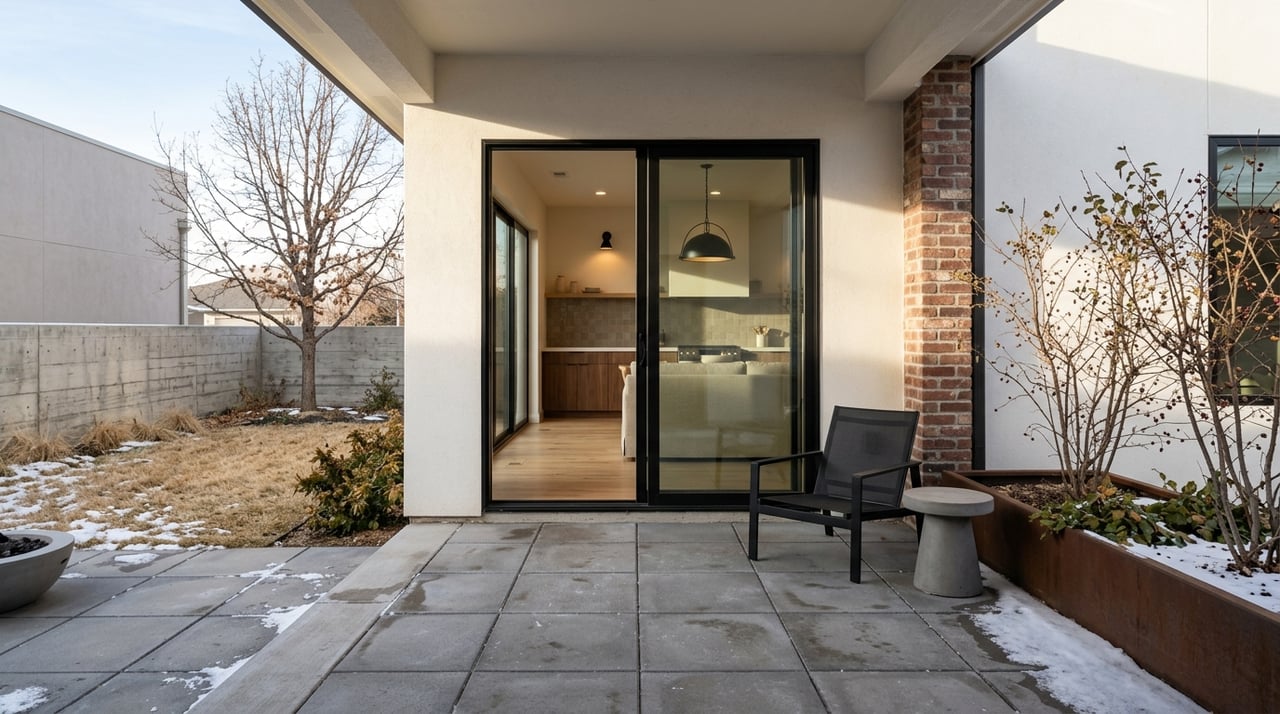
If you have ever wondered why one Denver home feels easy to live in year-round while another feels like a constant maintenance project, the answer often comes down to the seasons. In Denver, sunshine, snow, dry air, and quick weather shifts all play a real role in how your home functions from month to month. When you understand those patterns, you can make smarter choices whether you are buying, selling, or deciding what features matter most. Let’s dive in.
Denver weather shapes daily home life
Denver’s climate is not just a background detail. It affects how you use your yard, maintain your systems, and move through your home in every season.
According to Denver Water’s climate guidance, Colorado has a semi-arid climate. The City and County of Denver says the city gets about 300 days of sunshine a year, and NOAA weather normals for Denver show 14.48 inches of precipitation and 49.0 inches of snowfall annually.
That mix creates a lifestyle rhythm that feels very Denver. One part of the year asks for snow prep and freeze protection. Another invites you outside to patios, decks, and yards. In between, you get muddy transitions, thaw-and-refreeze cycles, and seasonal maintenance that can influence what home features are truly useful.
Winter means snow and freeze prep
Winter in Denver is about more than cold temperatures. It is also about managing snow, ice, and the small daily routines that keep your home running smoothly.
The National Weather Service climate data for January shows an average temperature of 30.7°F and 7.0 inches of snow. Snow season also stretches longer than many newcomers expect, with the average first measurable snowfall on October 18 and the average last snowfall on April 28.
The City of Denver’s snow guidance requires residences to clear sidewalks by the next day after a snow event. The city also notes that daytime warming can melt snow, which then refreezes in shaded gutters and walkways. Shaded pavement can be about 20°F colder than sun-exposed pavement.
That is one reason certain features tend to make daily life easier in Denver homes, including:
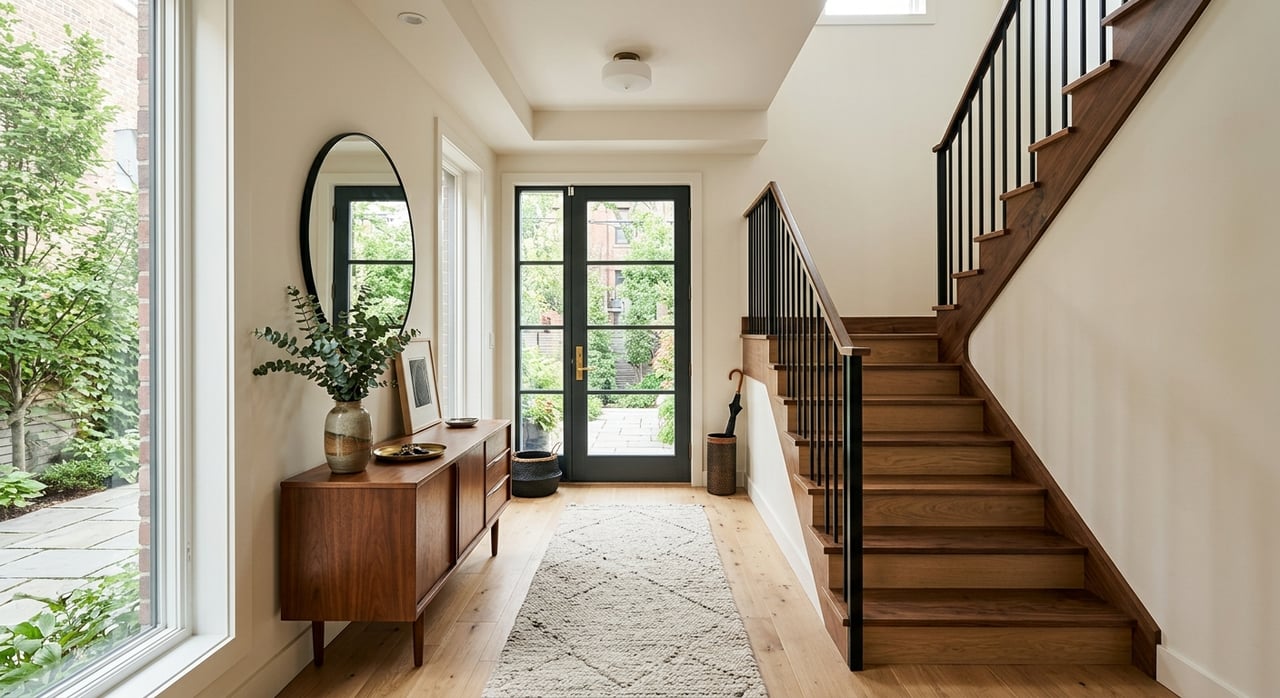
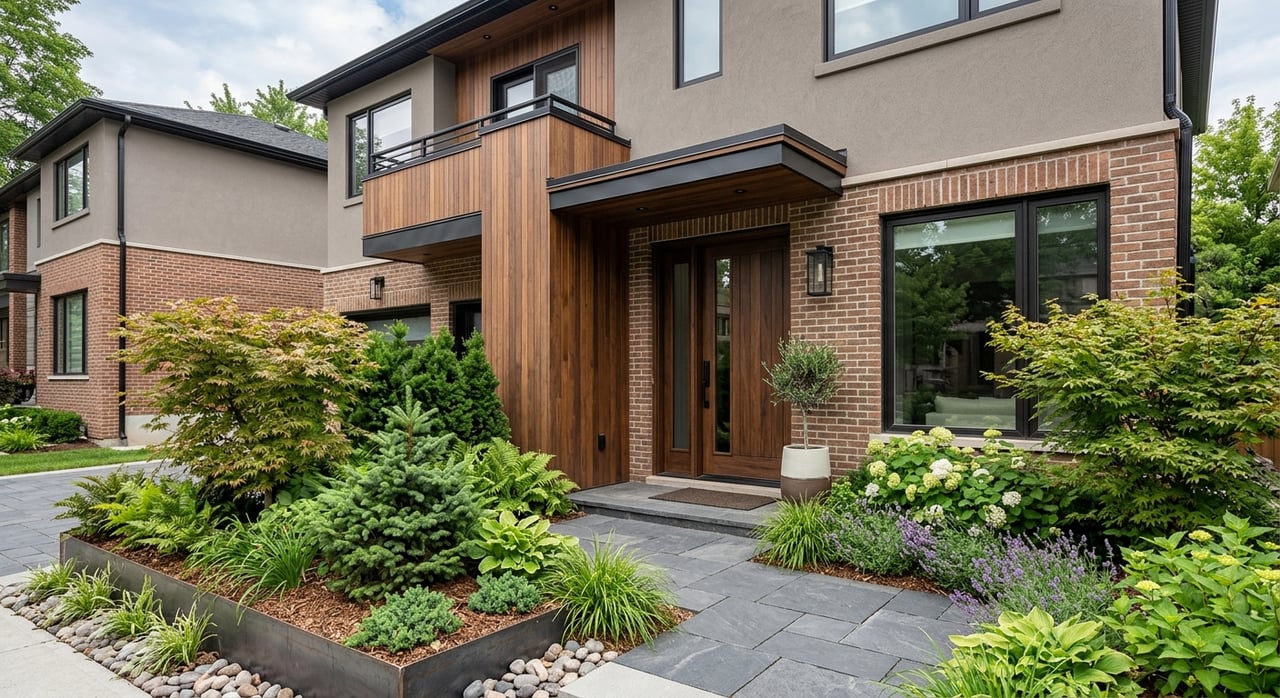
- Covered front entries
- Space for coats and boots near the door
- Mudroom-style storage
- Durable flooring at entry points
- Walkways and drive edges with good sun exposure
These are not luxury extras in Denver. They are practical features that can reduce mess, simplify snow days, and make winter routines feel more manageable.
Spring feels more like thaw season
In many places, spring brings a clean break from winter. In Denver, it often feels more like an extension of it.
The National Weather Service’s March climate summary shows that March is Denver’s snowiest month and typically accounts for 20 percent of annual snowfall, with an average of 10.7 inches. Late freezes can still happen into late April and early May, which means your home and yard may stay in transition longer than the calendar suggests.
This is when drainage and cleanable surfaces really matter. Melting snow, wet soil, and slushy shoes can linger through spring, especially around doors, walkways, and lower-lying yard areas.
The city forester’s seasonal guidance, referenced in Denver climate resources, recommends scheduling irrigation turn-on in spring, watering weekly when weather is dry or windy, and raking leaves so turf can dry out and avoid disease. Those simple steps reflect a bigger truth about Denver homes: spring is a maintenance season.
If you are evaluating a home in spring, it can help to notice:
- Whether water drains away from entries and walkways
- How easy floors are to clean near exterior doors
- Whether there is a logical drop zone for wet gear
- How the yard handles muddy conditions after snowmelt
Summer expands life outdoors
By summer, Denver homes often start living bigger. Outdoor spaces become part of your daily routine, not just a nice extra.
The National Weather Service’s July climate data shows an average temperature of 74.2°F, 2.16 inches of precipitation, and normally no snowfall. Combined with the city’s sunny climate, that helps explain why patios, decks, grills, and backyard seating areas are such an important part of home life in Denver.
But Denver’s summer lifestyle also comes with a practical layer: water management. Denver Water’s xeriscape plans and guidance are designed for Colorado’s semi-arid climate and include ideas for dry shade, slopes, and year-round beauty. Denver Water also notes that outdoor watering can account for more than half of a household’s annual water use.
For that reason, the most functional outdoor spaces often pair comfort with efficiency. A patio may work better with some shade. A yard may be easier to maintain with low-water plants and efficient irrigation. A beautiful outdoor setup in Denver is often one that was designed with climate in mind from the start.
Summer features that often work well
When you are thinking about outdoor living in Denver, these features tend to align well with the local climate:
- Patios or decks with some shade
- Water-wise landscaping
- Native or adaptable plants
- Drip, soaker, or other efficient irrigation methods
- Outdoor spaces designed for morning or evening use during warmer stretches
Fall is the reset season
Fall in Denver is beautiful, but it is also a reminder that winter is not far off. For homeowners, it is an important window to prepare.
According to Denver fall and winter climate statistics, the average first freeze is October 7 and the average first measurable snow is October 18. That timeline means fall maintenance matters more than many people realize.
Denver’s seasonal guidance also points to fall as a good time to plant new trees, generally through October, because sunny days often continue before the first freeze. At the same time, Denver Water’s cold weather tips recommend winterizing sprinkler systems before the first freeze and draining and disconnecting hoses and outdoor faucets.
In practical terms, fall is when a well-set-up home starts to show its value. Easy access to shut-off points, manageable irrigation systems, and outdoor plumbing that can be winterized without hassle can save time and stress every year.
What features fit Denver homes well
If you are buying or selling in Denver, it helps to think beyond square footage and finishes. Seasonal function matters.
Based on Denver’s climate and city guidance, several home features tend to support day-to-day life well:
- Covered entries for snow and slush management
- Mudroom or boot storage space near main doors
- Durable flooring where moisture and grit come inside
- Good drainage around walkways and entrances
- Sunny exterior paths that may be easier to maintain than shaded ones
- Patios and decks with usable shade for summer comfort
- Water-wise landscaping suited to a semi-arid climate
- Efficient irrigation systems that are easier to manage in summer
- Outdoor plumbing and sprinkler systems that are easy to winterize
None of these features guarantees a perfect home. But in Denver, they often support a smoother, more comfortable rhythm through the year.
Why seasonal fit matters when you buy or sell
A home can look great online and still feel frustrating in real life if it does not work well with Denver’s climate. That is why seasonal fit matters.
If you are buying, this perspective can help you look past surface-level appeal and focus on how a home will actually function in January, March, July, and October. If you are selling, understanding the seasonal strengths of your property can help you present it more clearly and realistically.
This is especially true in Denver, where one year can include snow shoveling, spring mud, summer patio dinners, and fall winterizing within a relatively short cycle. The homes that tend to feel easiest to live in are often the ones that support those transitions well.
At Molly Hollis, we believe real estate decisions should reflect how you actually want to live, not just what looks good in a listing. If you are thinking about buying, selling, or deciding whether to improve your current home, we are here to help you weigh the tradeoffs and choose what fits your life best.
FAQs
How does Denver’s climate affect daily life at home?
- Denver’s semi-arid climate, strong sunshine, snowfall, and seasonal swings can affect yard care, snow removal, irrigation, outdoor living, and the features that make a home easier to maintain.
What home features are useful for Denver winters?
- Covered entries, boot storage, durable flooring near doors, and walkways with good sun exposure can help with snow, slush, ice, and thaw-refreeze conditions.
Why does spring home maintenance matter in Denver?
- March is Denver’s snowiest month on average, and late freezes can continue into spring, so drainage, irrigation timing, and cleanup around wet or muddy areas are especially important.
What kind of landscaping fits Denver’s climate?
- Water-wise landscaping with native or adaptable plants and efficient irrigation aligns well with Denver’s semi-arid climate and Denver Water’s xeriscape guidance.
When should homeowners prepare for freezing weather in Denver?
- Denver’s average first freeze is October 7, so fall is the key time to winterize sprinkler systems, drain hoses and outdoor faucets, and prepare outdoor areas for colder weather.